Skilled Residential Electrician for Protected and Efficient Answers
A competent home electrician assumes an vital role in maintaining the safety and efficiency of electrical systems in homes. These experienced professionals are prepared to manage installations, repairs, and upgrades, maintaining compliance with safety regulations and area codes. Standard problems, like wavering light or faulty circuits, often call for expert support. Grasping the scope of their work brings up key concerns about protection, consistency, and overall well-being of a property's electrical framework. What should homeowners think about before hiring on?
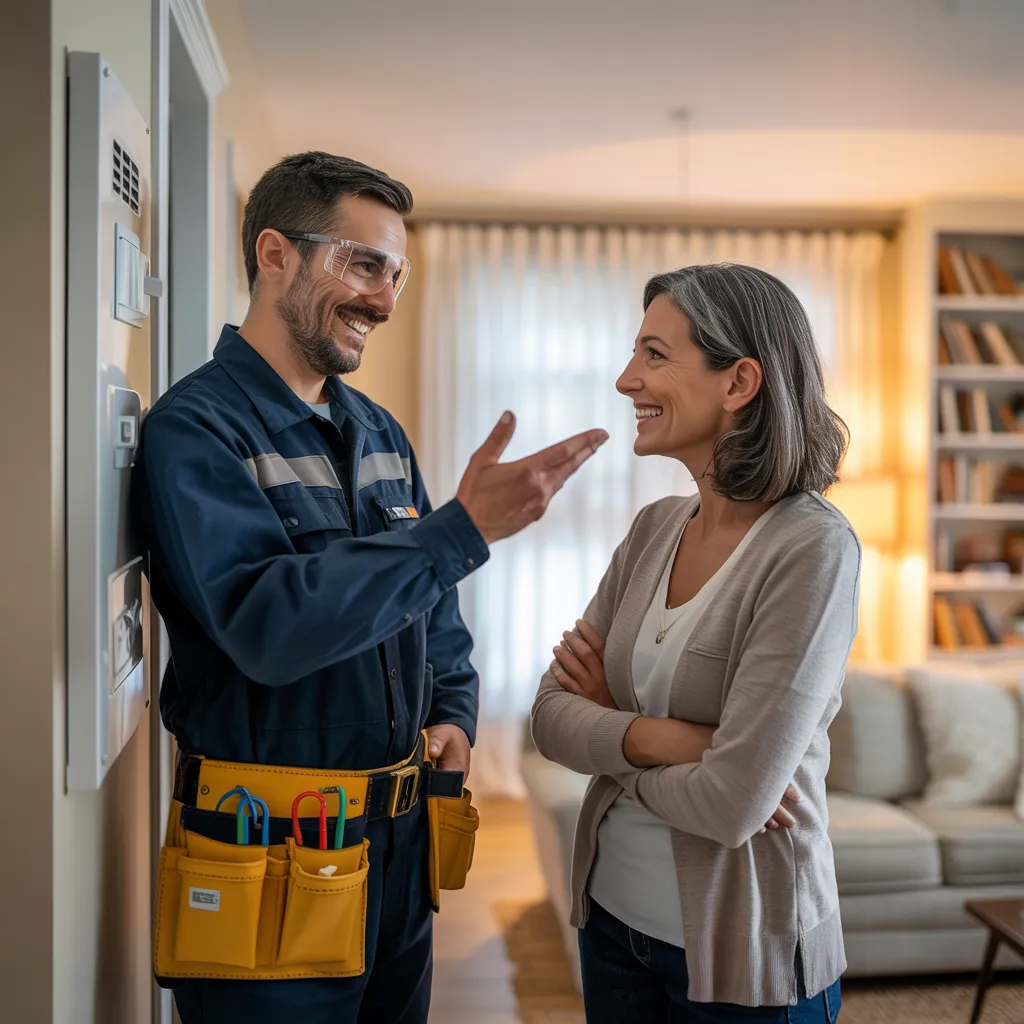
What Does a Residential Electrical Technician Actually Do?
A residential electrician specializes in the installation, maintenance, and repair of electrical systems within homes. Their primary responsibilities include wiring, circuit installation, and the setup of lighting fixtures. They also diagnose electrical issues, guaranteeing that systems operate efficiently and safely.
Beyond these tasks, residential electricians carry out routine evaluations to discover potential dangers and confirm conformity with relevant codes. They frequently modernize existing systems to support new appliances or technology, thereby increasing a home's capability.
Moreover, they supply valuable consultation services, helping homeowners discover energy-efficient solutions and modern electrical approaches. A residential electrician equally engages with other contractors during renovations or new constructions, confirming that electrical work coordinates effectively with other aspects of the project. By deploying specialized tools and observing industry standards, they sustain a crucial position in ensuring a sound and trustworthy electrical environment in residential settings.
Protection Standards in Electrical Work: Important Details for Homeowners
What strategies can homeowners employ to make sure their power infrastructure remain safe and compliant? Understanding safety standards is vital. Power codes, such as the National Electrical Code (NEC), offer a template for safe installations and techniques. Property owners should determine their installations meet these specifications to reduce threats of fire damage and shocks.
Routine examinations by a licensed electrician can help identify potential threats. Electricians are trained to respect local regulations and apply safety systems. Homeowners should also be educated of proper load capacities to stop overload, which can lead to overheating.
Moreover, incorporating compliant supplies and components is paramount for protecting security. Homeowners must prioritize the deployment of GFCI outlets in wet areas and ascertain smoke detectors are active. By staying knowledgeable and proactive about power safety expectations, homeowners can substantially limit risks and secure a safe living environment.
Standard Electrical Concerns and How Professionals Manage Them
Homeowners typically deal with various electrical issues that can pose risks to safety and functionality. Common problems include flickering lights, circuit breaker trips, and non-functioning outlets. These problems can be caused by outdated wiring, overloaded circuits, or faulty appliances.
Power surges are another common issue that can damage gadgets and equipment. GFCIs (Ground fault circuit interrupters) may also fail, producing dangers in wet areas like kitchens and bathrooms.
Professionals identify these issues by conducting thorough inspections, verifying wiring condition, and evaluating the demand on circuits. They employ advanced equipment to detect concealed issues and guarantee adherence with safety standards.
How to Tackle Typical Wiring Issues With Expert Assistance
Electrical problems frequently require skilled electrician knowledge to handle. Flickering lights, frequent circuit breaker tripping, and malfunctioning outlets are common problems that can signal underlying electrical faults. A qualified electrician guarantees these issues are identified accurately and resolved safely.
Flickering Lights Solutions providing professional answers
Flickering illumination can interrupt the tranquility of any home, indicating potential electrical faults that require immediate attention. This regular problem often points to loose connections, faulty switches, or inadequate wattage. Homeowners should first check if the flickering happens with specific bulbs or throughout the entire house. If it is isolated, changing out the bulb may solve the issue. However, persistent flickering warrants consultation with a professional residential electrician, who can accurately diagnose and address underlying problems. A qualified electrician will inspect wiring, assess circuit loads, and guarantee all connections are secure. Addressing flickering lights promptly not only restores peace but also enhances safety, preventing potential hazards like electrical fires. Professional intervention provides peace of mind and long-term solutions.
Circuit Breaker Activation Factors
Frequent circuit breaker tripping can indicate hidden electrical issues that may pose safety risks. Common causes include circuits with excessive load, where too many devices draw power from a single source, causing overheating and tripping. Additionally, short circuits can occur when wires become compromised or frayed, creating a direct path for electricity that bypasses normal resistance. Grounding faults, which happen when a live wire contacts a grounded surface, are also problematic. Finally, aging circuit breakers may fail to function properly due to wear and tear. Recognizing these issues
Outlet Defect Repair
Comprehending the possible complications linked to circuit breakers naturally underscores the necessity of troubleshooting outlet malfunctions. Outlet malfunctions can present as flickering lights, non-operational devices, or strange noises coming from the outlet itself. These symptoms usually indicate underlying electrical problems that demand professional evaluation. A qualified electrician will begin by checking the circuit for overloads, loose connections, or damaged wiring. They may also assess proper grounding and voltage levels to confirm safety. Timely addressing of these malfunctions is essential, as neglect can escalate to more severe hazards, including electrical fires. By trusting a professional, homeowners can be confident that their electrical systems work efficiently and safely, protecting both their property and peace of mind.
Why Engage an Authority for Electrical Modernization?
Upgrading electrical systems can significantly improve a home's security and performance, making expert assistance essential. Homeowners often overlook the intricacies of electrical upgrades, which can lead to costly mistakes or dangerous conditions. Professional electricians have the required expertise and knowledge to navigate local codes and regulations, ensuring that upgrades are safe and code-compliant.
Additionally, experts can evaluate a home's particular power requirements, suggesting tailored solutions that optimize performance and energy efficiency. They are equipped with the proper equipment and expertise to manage possible issues, such as outdated wiring or inadequate power distribution. This expertise not only reduces hazards but also enhances the durability and dependability of the power infrastructure.
In the end, engaging a skilled electrical professional for improvements not only safeguards a home but also provides confidence, knowing that the work is properly and effectively completed, thereby maximizing the expenditure in the property.
Important Details About Your Electrical Examination?
During an electrical inspection, residents should anticipate a detailed review developed from a common checklist that highlights vital elements of their system. Inspectors will assess adherence to safety requirements to verify the power installation is reliable and protected. Understanding these expectations helps homeowners prepare for a fruitful inspection visit.
Basic Examination Schedule Items
A meticulous electrical review typically requires several essential inspection elements that confirm safety and adherence with standards. Professionals regularly start out by examining the service panel for proper ground connections and secure connections. They inspect cable work for any marks of wear, injury, or improper installation. Protection devices and safety fuses are examined to make sure they are functioning correctly and adequately rated for the power load. Additionally, wall outlets and switches are checked to assure they are grounded and free from defects. Fire detection devices and carbon monoxide detectors are also tested for proper operation. In the end, the evaluator surveys any adjustments or supplements to the electrical system to verify they adhere to local codes and standards, ensuring the general safety of the the building's electrical infrastructure.
Safety Standards Compliance Overview
After completing a detailed inspection checklist, understanding safety standards compliance is essential for homeowners. Adherence to electrical safety requirements ensures that installations satisfy both federal and regional codes, minimizing dangers from electrical hazards. Property owners can anticipate the electrician to check proper grounding, circuit functionality, and the use of certified materials. Additionally, adherence to the National Electrical Code (NEC) is vital, as it establishes the minimum safety standards for electrical systems. During inspections, electrical professionals will assess the functionality of smoke alarms and carbon monoxide alarms, verifying they operate correctly. By emphasizing safety standards, property owners not only protect their property but also protect the health of their loved ones. In the end, adherence builds trust in electrical work and encourages long-term safety.
How to Pick the Best Electrician for Your Home
Finding the ideal electrician for your house can seem overwhelming—what elements should one examine? First, confirming credentials is important. A qualified electrical specialist confirms that they have achieved the mandatory education and benchmarks. Homeowners should also look into insurance, as this shields against unforeseen risks during the task.
Experience constitutes another fundamental aspect; professionals with a solid track record are often more practiced at handling various issues. Studying reviews and sourcing accolades can yield understanding into their trustworthiness and quality of work.
Furthermore, securing various estimates enables homeowners evaluate pricing and services, confirming they obtain a fair deal. Communication skills are equally important; an electrician needs to communicate concerns and fixes plainly.
Finally, evaluating their familiarity with local regulations and regulations can prevent future complications. By carefully weighing these elements, homeowners can reach an well-reasoned decision, ultimately ensuring safety and efficiency in their electrical work.
Frequently Inquired Questions
What Expense Should You Anticipate When Hiring a Residential Electrician?
The fee for engaging a home electrician generally related information falls between $50 to $100 per hour, based on your area and the complexity of the task. Supplementary fees may be needed for supplies and emergency work, modifying the overall price.
How long Does an electrical undertaking generally require?
An electrical assignment usually demands a few hours to several days, based on its complexity and scope. Simple repairs may require little time, while larger installations or renovations can substantially extend the duration.
What Qualifications Should I Seek in an Electrical Professional?
When choosing an electrical specialist, one should give priority to qualifications such as correct permits, insurance, relevant experience, and positive customer reviews. Additionally, recognitions in targeted sectors can reinforce their authority and warrant quality workmanship.
Do Emergency Electric Services Exist?
Emergency electrical services are certainly obtainable. Many electricians provide 24/7 assistance for urgent concerns, ensuring rapid response and remedies to restore security and functionality. Homeowners should confirm accessibility and response times before emergencies arise.
Is it Lawful for Me to Conduct Electrical Work Myself?
In many jurisdictions, residents are able to legally handle electrical work on their own properties, but regulations shift. It's critical to investigate local codes and safety standards to validate compliance and evade potential hazards or fines.